

Effective Tennis Elbow Treatment for Pain-Free Recovery
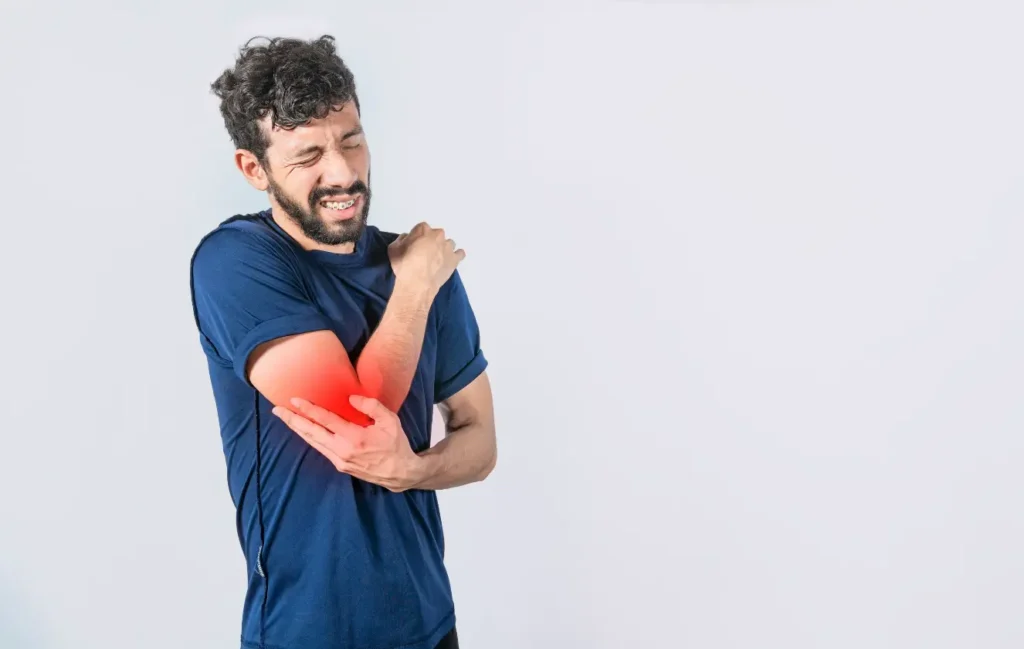
Our tennis elbow treatment reduces pain, promotes healing, restores arm strength, and helps you return to daily activities comfortably.
- Pain Relief
- Pain Relief
- Faster Recovery
- 4.9/5 Google Reviews
- Licensed Physiotherapists
- Direct Insurance Billing
What Is Tennis Elbow?
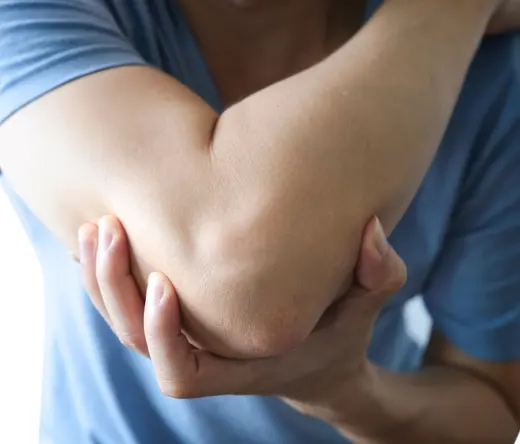
Tennis elbow, medically known as lateral epicondylitis, is a common condition that causes pain on the outer part of the elbow. It happens when the tendons that connect your forearm muscles to the elbow become irritated due to repeated stress or overuse. Despite its name, you don’t have to play tennis to develop this condition. Many people get tennis elbow from daily activities such as typing, lifting, painting, or using tools.
The pain usually starts gradually and may worsen over time. You might feel discomfort when gripping objects, shaking hands, or lifting even light items like a cup. In some cases, the pain can travel down the forearm and affect your overall arm strength. Early care and proper treatment can help reduce pain and restore normal movement.
The pain usually starts gradually and may worsen over time. You might feel discomfort when gripping objects, shaking hands, or lifting even light items like a cup. In some cases, the pain can travel down the forearm and affect your overall arm strength. Early care and proper treatment can help reduce pain and restore normal movement.
What are the Symptoms?
Common symptoms include outer elbow pain, tenderness, weakness, stiffness, and difficulty gripping or lifting objects comfortably.

Elbow Pain
Pain on the outside of the elbow, worsening with activity or gripping.

Grip Weakness
Reduced strength when holding, lifting, or twisting objects.

Stiffness & Tenderness
Elbow stiffness and sensitivity, especially in the morning or after use.
How Tennis Elbow Is Diagnosed
Diagnosing tennis elbow is usually simple and does not require complex tests. It involves a few key steps:
01
Medical History Review
Your doctor or physiotherapist will ask about your pain, daily activities, and when the symptoms started.
02
Physical Examination
The outer elbow area is checked for tenderness. You may be asked to move your wrist or arm to identify pain triggers.
03
Pain Response Tests
Simple movements like gripping, lifting, or extending the wrist help confirm the condition.
04
Imaging Tests (if needed)
X-rays or ultrasound may be used in rare cases to rule out other problems like joint damage or nerve issues.
05
Functional Assessment
Your strength, flexibility, and range of motion may be tested to understand the severity.
Tennis Elbow vs Golfer’s Elbow: Key Differences
| Factor | Tennis Elbow (Lateral Epicondylitis) | Golfer’s Elbow (Medial Epicondylitis) |
|---|---|---|
|
Pain Location |
Outer side of the elbow |
Inner side of the elbow |
|
Main Cause |
Repetitive wrist extension & gripping |
Repetitive wrist flexion & bending |
|
Common Activities |
Typing, lifting, racket sports |
Golfing, throwing, heavy gripping |
|
Pain Trigger |
Lifting or extending the wrist |
Bending the wrist or gripping tightly |
|
Affected Muscles |
Forearm extensor muscles |
Forearm flexor muscles |
|
Movement Impact |
Weak grip and difficulty lifting |
Pain during wrist bending and rotation |
|
Treatment Focus |
Strengthening extensors & reducing strain |
Stretching and strengthening flexors |
What Are The Causes of Tennis Elbow?
Tennis elbow is caused by repetitive arm movements, overuse of forearm muscles, improper technique, or strain from daily activities.

Repetitive Overuse
Repeated wrist and forearm movements strain tendons, causing pain and inflammation around the elbow.

Poor Technique
Incorrect sports or work techniques place excessive stress on elbow tendons.

Weak Forearm Muscles
Muscle imbalance or weakness increases tendon strain during gripping and lifting activities.
FAQs
What is the main cause of tennis elbow?
Tennis elbow is mainly caused by repetitive wrist and arm movements that strain the forearm tendons over time.
How long does tennis elbow take to heal?
Recovery can take a few weeks to a few months, depending on the severity and proper treatment.
Can tennis elbow heal on its own?
Mild cases may improve with rest, but proper treatment helps speed up recovery and prevents worsening.
What activities should I avoid with tennis elbow?
Avoid heavy lifting, repetitive gripping, and activities that increase elbow pain or strain.
When should I see a physiotherapist for tennis elbow?
You should seek help if pain lasts more than a few weeks or affects your daily activities.
Relieve Tennis Elbow Pain and Restore Arm Strength
Book expert physiotherapy for tennis elbow to reduce pain, heal tendons, improve grip strength, and return comfortably to work, sports, and daily activities.