

Foot Pain & Plantar Fasciitis Treatment in Mission
Foot pain and plantar fasciitis cause heel discomfort and stiffness; physiotherapy reduces pain, improves flexibility, and supports healthy movement.
- Pain Relief
- Mobility Improvement
- Heel Support
- 4.9/5 Google Reviews
- Licensed Physiotherapists
- Direct Insurance Billing
What Is Plantar Fasciitis? Understanding the Condition
That sharp, stabbing pain the moment your foot hits the floor each morning — that’s one of the most telling signs of plantar fasciitis.
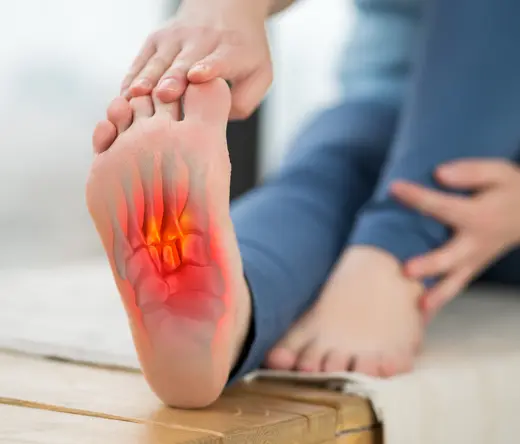
Plantar fasciitis is one of the most common causes of heel pain, involving inflammation of the plantar fascia — a thick band of tissue running along the bottom of your foot that supports your arch and absorbs shock with every step.
When this tissue is overloaded through repetitive movement, prolonged standing, or poor foot mechanics, micro-tears develop, leading to pain and stiffness that’s typically worst in the morning or after rest.
The good news? It’s highly treatable. With the right physiotherapy approach, most people achieve full, lasting relief without surgery.
Plantar fasciitis is one of the most common causes of heel pain, involving inflammation of the plantar fascia — a thick band of tissue running along the bottom of your foot that supports your arch and absorbs shock with every step.
When this tissue is overloaded through repetitive movement, prolonged standing, or poor foot mechanics, micro-tears develop, leading to pain and stiffness that’s typically worst in the morning or after rest.
The good news? It’s highly treatable. With the right physiotherapy approach, most people achieve full, lasting relief without surgery.
What are the Symptoms?
Foot pain and plantar fasciitis symptoms include heel pain, stiffness, and discomfort, especially during walking, standing, or morning steps.

Heel Pain
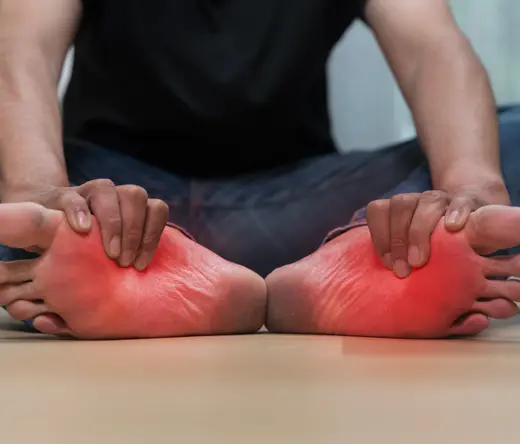
Sharp or aching pain near the heel, often worse with the first steps in the morning.

Foot Stiffness
Tightness in the sole of the foot, making walking or standing uncomfortable after rest.

Walking Discomfort
Pain increases during prolonged standing, walking, or after physical activity.
Risk Factors — Who Is Most Likely to Develop Plantar Fasciitis?
Plantar fasciitis can affect anyone, but certain factors raise your risk considerably. Here’s what to watch for:
- Age (40–60): The plantar fascia naturally loses elasticity over time, making micro-tears more likely to develop and slower to heal.
- On-Your-Feet Occupations: Nursing, teaching, retail, and construction workers face hours of cumulative stress on the foot daily.
- Excess Body Weight: Every step places increased mechanical load on the plantar fascia, accelerating wear and irritation over time.
- Athletes and Active Individuals: High-impact sports and sudden jumps in activity level regularly overwhelm unprepared tissue.
- Foot Structure Issues: Flat feet, high arches, and overpronation all create uneven biomechanical strain across the plantar fascia.
- Tight Calf Muscles: Persistent tightness transfers direct tension into the heel, keeping the fascia under constant stress.
- Pregnancy: Hormonal changes and added weight shift how load is distributed through the feet.
How to Treat Plantar Fasciitis Without Surgeries?
Plantar fasciitis can be treated without surgery through physiotherapy, targeted exercises, pain relief techniques, and proper foot support.
01
Physiotherapy Treatment
Manual therapy and modalities help reduce pain, inflammation, and stress on the plantar fascia.
02
Stretching Exercises
Calf and foot stretches improve flexibility, reduce stiffness, and relieve heel pain effectively.
03
Strengthening Exercises
Exercises strengthen foot and ankle muscles, improving support and reducing strain on the plantar fascia.
04
Footwear & Orthotic Support
Supportive footwear and custom orthotics help correct foot mechanics and prevent recurrence of pain.
Plantar Fasciitis Treatment Options in Mission — Without Surgery
Here’s what effective, non-surgical treatment looks like at Legend Physio Mission:
- Shockwave Therapy For cases that have been persistent for several months, shockwave therapy is a highly effective option available at our Mission clinic. This treatment uses acoustic sound waves delivered to the affected tissue to stimulate the body's natural healing response — promoting new tissue repair, reducing inflammation, and breaking down scar tissue.
- BioFlex Laser Therapy Our BioFlex low-level laser therapy works at a cellular level to reduce pain and inflammation while accelerating tissue regeneration. It's gentle, painless, and particularly effective for patients who are highly sensitive or dealing with significant inflammation that's slowing recovery.
- IMS (Intramuscular Stimulation) If tight muscles in the calf or foot are a significant driver of your plantar fasciitis, IMS — also known as dry needling — can be highly effective. Fine needles are inserted into trigger points within the muscle to release tension and restore normal muscle function, relieving the downstream pull on your plantar fascia.
What Causes Plantar Fasciitis?
Plantar fasciitis occurs due to repetitive strain, poor foot support, muscle tightness, or faulty foot mechanics increasing heel stress.

Repetitive Stress & Overuse
Excessive walking, running, or standing places repeated strain on the plantar fascia, causing irritation and pain.

Improper Footwear
Flat, unsupportive, or worn-out shoes fail to cushion the heel, increasing pressure on the plantar fascia.

Tight Muscles & Foot Mechanics
Tight calf muscles, flat feet, or high arches increase tension on the plantar fascia during movement.

Your Plantar Fasciitis Recovery Plan at Legend Physio Mission
Every patient arrives at a different stage — some dealing with fresh onset pain, others with months of persistent heel discomfort. That’s why your recovery plan is built around your specific situation, not a generic protocol.
- Assessment first: We evaluate your foot, ankle, calf, and movement patterns to identify exactly what's driving your symptoms.
- Pain relief: Manual therapy, laser therapy, and targeted modalities reduce inflammation and create the conditions for healing.
- Flexibility and function: Guided stretching restores mobility in the plantar fascia, calf, and ankle.
- Strength and resilience: Foot and ankle strengthening ensures the plantar fascia isn't overloaded during daily movement.
- Full return to activity: We support a gradual, structured comeback — and make sure you have what you need to stay pain-free long term.
Why Choose Legend Physio Mission for Plantar Fasciitis Treatment?
Choosing the right clinic for heel pain matters. Here’s why Mission residents trust us:
- Licensed, Experienced Physiotherapists: Evidence-based care delivered by registered professionals who genuinely invest in your recovery.
- Advanced Treatment Technology: Shockwave therapy, BioFlex laser, and IMS available under one roof, tailored specifically to your condition.
- Truly Personalized Care: No assembly-line appointments. Your therapist knows your case, tracks your progress, and adjusts your plan throughout recovery.
- Direct Insurance Billing: We handle the paperwork so you can focus entirely on getting better.
- WorkSafeBC & ICBC Accepted: We work with both programs, making access to care straightforward regardless of how your injury occurred.
If heel pain is affecting your mornings, your movement, or your quality of life — we’re ready to help. Book your assessment at Legend Physio Mission today.
Struggling With Foot Pain or Plantar Fasciitis? Get Expert Treatment Today
Personalized physiotherapy reduces heel pain, improves mobility, supports recovery, and helps you walk comfortably without long-term discomfort.