

Rotator Cuff Injury Care That Restores Shoulder Strength
- Pain Relief
- Mobility Recovery
- Shoulder Strength
- 4.9/5 Google Reviews
- Licensed Physiotherapists
- Direct Insurance Billing
Rotator Cuff Injury Care That Restores Shoulder Strength
Dealing with shoulder pain that just won’t go away? You’re not alone. A rotator cuff injury can make even simple things — like reaching for a shelf or getting dressed — feel frustrating and painful. The good news is, you don’t have to live with it.
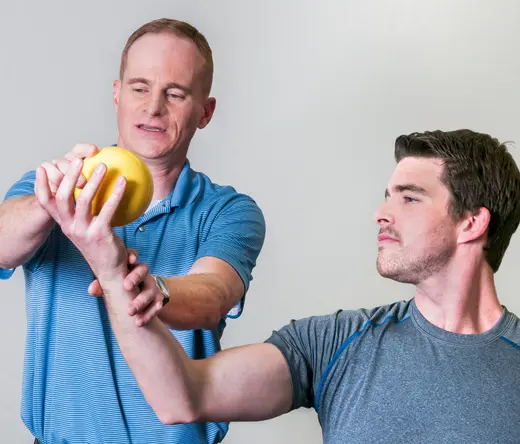
At Legend Physiotherapy Mission, we take a hands-on, personalized approach to rotator cuff care. Our goal isn’t just to ease the pain temporarily — it’s to rebuild genuine strength and stability in your shoulder so you can get back to doing what you love. Whether your injury came from a sudden fall, years of overhead work, or just the wear and tear of everyday life, we’ve got you covered with targeted physiotherapy that actually works.
What are the Symptoms of Rotator Cuff Injuries?

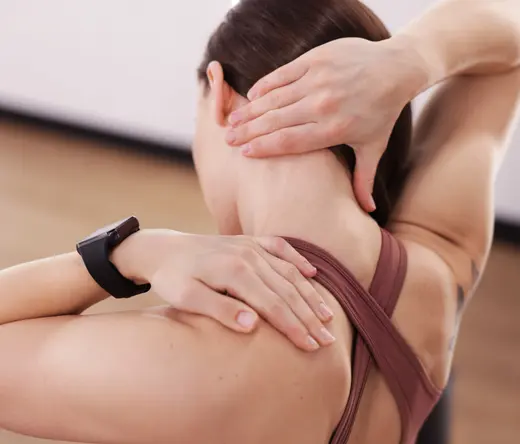
Shoulder Pain
Pain in the shoulder, often worsening at night or during overhead arm movements.

Arm Weakness
Difficulty lifting or rotating the arm due to reduced shoulder strength and muscle control.

Limited Movement
Restricted shoulder mobility, making daily tasks like dressing or reaching uncomfortable.

How Is a Rotator Cuff Injury Diagnosed?
They’ll check your shoulder’s range of motion, test your muscle strength, and perform specific clinical tests to identify which part of the rotator cuff is affected. In some cases, they may recommend imaging like an ultrasound or MRI to get a clearer picture of any tendon damage.
The great thing about seeing a physio early is that they can often identify the issue before it gets worse — so you can start the right treatment sooner and avoid unnecessary complications down the road. No guesswork, just a clear plan built around your specific injury.
What is The Role of Physiotherapy in Treating Rotator Cuff Injuries?
When Should You See a Physiotherapist for a Rotator Cuff Injury?
You should book an appointment if you’re experiencing shoulder pain that lingers more than a few days, weakness when lifting or rotating your arm, discomfort that wakes you up at night, or difficulty with everyday tasks like reaching overhead or behind your back.
Even if you’re unsure whether it’s a serious injury, getting it checked early can save you months of recovery time. The sooner a physiotherapist can assess and treat the problem, the faster and more completely your shoulder can heal — and the less likely you are to need surgery.
What Causes Rotator Cuff Tears?

Acute Injury
Sudden falls, lifting heavy objects, or trauma can tear rotator cuff tendons immediately.

Repetitive Strain
Overhead activities, sports, or repetitive shoulder movements gradually weaken tendons, leading to tears.

Age-Related Degeneration
Tendons naturally weaken with age, making the rotator cuff more susceptible to tears and injuries.

How Physiotherapy Helps Treat Rotator Cuff Injuries
Physiotherapy effectively treats rotator cuff injuries by reducing pain, restoring strength, improving mobility, and preventing future shoulder problems.
- Pain Relief Techniques
- Shoulder Strengthening Exercises
- Range Motion Improvement
- Posture Correction Guidance
- Functional Activity Training
- Injury Prevention Strategies
- Gradual Return to Activity