
Legend Physio Mission

Relieve Herniated Disk Pain and Restore Spinal Health

Targeted physiotherapy reduces nerve pressure, eases pain, improves mobility, and strengthens spinal support for long-term herniated disk recovery.”
herniated disk

What are the Symptoms of Herniated Disk?

Herniated disk symptoms include back or neck pain, nerve compression, numbness, tingling, weakness, and reduced movement.
foot (1)

Radiating Pain

Pain travels from the spine into arms or legs due to nerve compression, worsening with movement or prolonged sitting.

inflammation

Numbness & Tingling

Compressed nerves cause pins-and-needles sensations, numbness, or reduced sensation in affected limbs.

spinal deformities

Muscle Weakness

Nerve pressure leads to muscle weakness, making lifting, gripping, or walking difficult during daily activities.

The Benefits of Physical Therapy on Herniated Disks

Physical therapy helps relieve herniated disk pain, reduce nerve pressure, improve mobility, strengthen muscles, and support long-term spinal health.
01
Pain Reduction
Targeted exercises and manual therapy reduce inflammation and nerve compression, easing pain and discomfort during daily activities.
02
Muscle Strengthening
Strengthening core and back muscles supports the spine, reduces disk stress, and helps prevent future injuries.
03
Improved Mobility
Stretching and movement-based therapy restore spinal flexibility, allowing smoother movement and improved functional performance.
04
Functional Recovery
Physical therapy restores posture, balance, and movement patterns, enabling safe return to work and daily routines.

What are the Causes of Herniated Disk?

Herniated disks occur when spinal disks weaken or rupture, often due to aging, injury, repetitive strain, or poor posture.
leg

Age-Related Degeneration

As disks lose hydration and flexibility with age, they become prone to cracks, bulging, and eventual herniation.

courses

Sudden Injury

Lifting heavy objects improperly or sudden trauma places excessive pressure on spinal disks, causing rupture or displacement.

sprained

Repetitive Strain

Frequent bending, twisting, or prolonged sitting increases disk stress, accelerating wear and leading to herniation
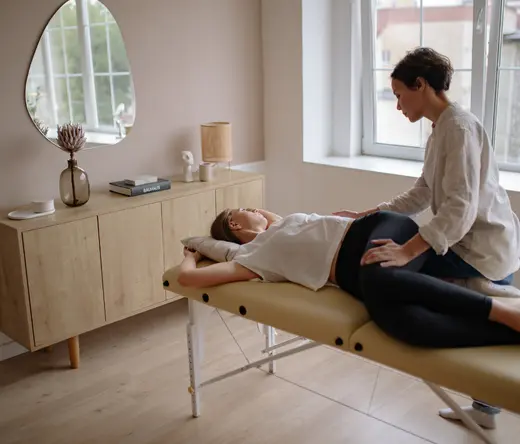
herniated disk therapy

How Can Physiotherapy Help with Herniated Disk?

Physiotherapy helps relieve herniated disk pain, reduce nerve pressure, improve spinal mobility, strengthen muscles, and restore daily function.

Effective Herniated Disk Therapy for Lasting Pain Relief

Personalized physiotherapy reduces nerve pressure, eases pain, improves spinal mobility, and strengthens muscles for long-term herniated disk recovery.