

Herniated Disk Treatment in Mission

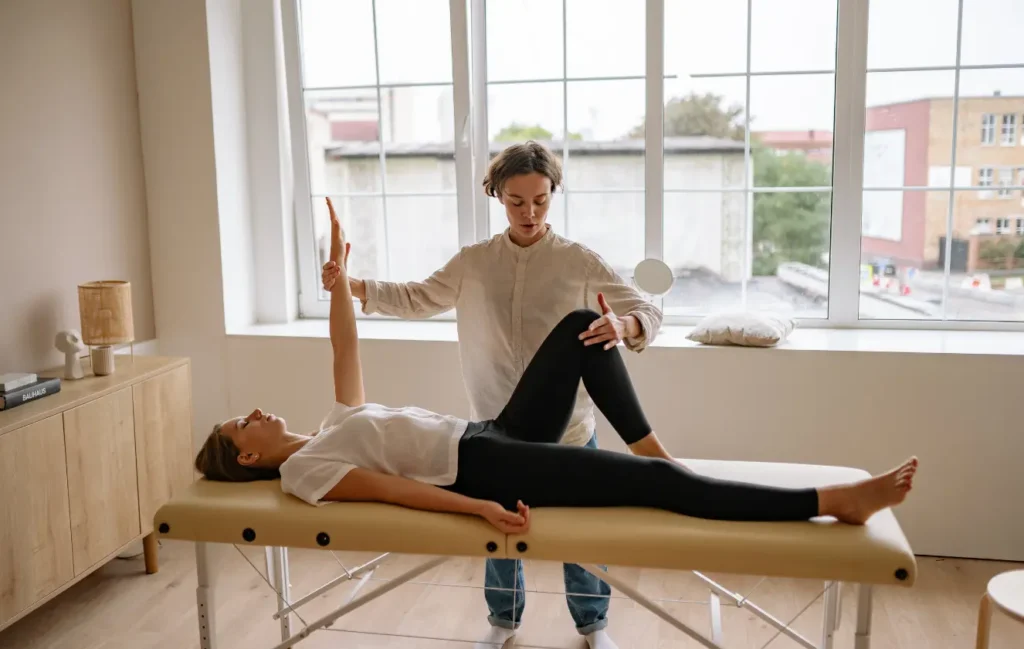
Targeted physiotherapy reduces nerve pressure, eases pain, improves mobility, and strengthens spinal support for long-term herniated disk recovery.”
herniated disk mission

What Is a Herniated Disk? Understanding the Condition

Your spine is made up of a series of bones (vertebrae) cushioned by small, rubbery pads called intervertebral disks. These disks act as shock absorbers, giving your spine flexibility and protecting the vertebrae from daily impact. When one of these disks breaks down or shifts out of place, the result is what medical professionals call a herniated disk - also commonly referred to as a slipped disk, ruptured disk, or bulging disk.

Each disk has two main components: a tough outer ring called the annulus fibrosus and a soft, gel-like center known as the nucleus pulposus. A herniation occurs when the inner gel pushes through a crack or weak spot in the outer ring. This displaced material can press against nearby spinal nerves, triggering pain, inflammation, and a range of neurological symptoms that significantly affect your quality of life.

What are the Symptoms of Herniated Disk?

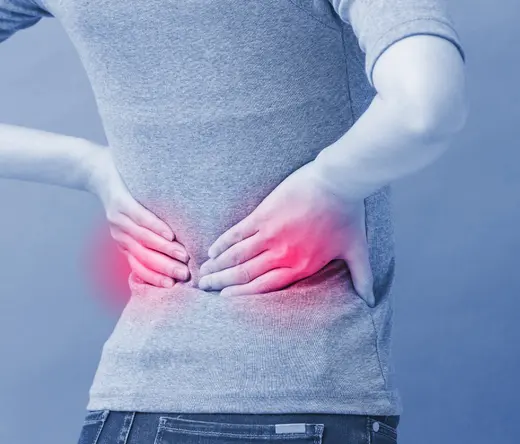
Herniated disk symptoms include back or neck pain, nerve compression, numbness, tingling, weakness, and reduced movement.
doctor

Radiating Pain

Pain travels from the spine into arms or legs due to nerve compression, worsening with movement or prolonged sitting.

inflammation

Numbness & Tingling

Compressed nerves cause pins-and-needles sensations, numbness, or reduced sensation in affected limbs.

weakness

Muscle Weakness

Nerve pressure leads to muscle weakness, making lifting, gripping, or walking difficult during daily activities.

Our Herniated Disk Treatment Approach at Legend Physio Mission

At Legend Physiotherapy Mission, we treat herniated disks with a personalized, evidence-based approach – targeting the root cause, not just the pain.

Every patient begins with a thorough assessment covering posture, spinal alignment, nerve function, and range of motion. From there, we build a customized plan using:

What are the Causes of Herniated Disk?

Herniated disks occur when spinal disks weaken or rupture, often due to aging, injury, repetitive strain, or poor posture.
leg

Age-Related Degeneration

As disks lose hydration and flexibility with age, they become prone to cracks, bulging, and eventual herniation.

courses

Sudden Injury

Lifting heavy objects improperly or sudden trauma places excessive pressure on spinal disks, causing rupture or displacement.

sprained

Repetitive Strain

Frequent bending, twisting, or prolonged sitting increases disk stress, accelerating wear and leading to herniation
The Benefits of Physical Therapy on Herniated Disks

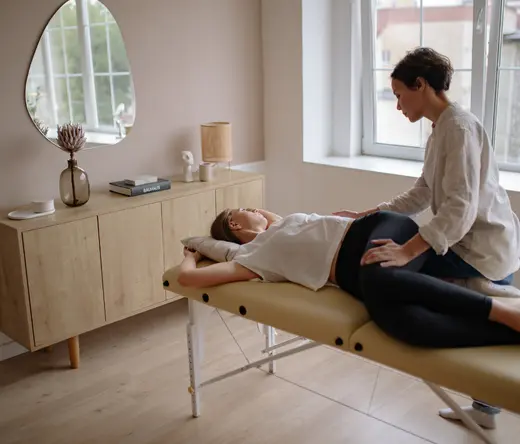
Physical therapy helps relieve herniated disk pain, reduce nerve pressure, improve mobility, strengthen muscles, and support long-term spinal health.
01
Pain Reduction
Targeted exercises and manual therapy reduce inflammation and nerve compression, easing pain and discomfort during daily activities.
02
Muscle Strengthening
Strengthening core and back muscles supports the spine, reduces disk stress, and helps prevent future injuries.
03
Improved Mobility
Stretching and movement-based therapy restore spinal flexibility, allowing smoother movement and improved functional performance.
04
Functional Recovery
Physical therapy restores posture, balance, and movement patterns, enabling safe return to work and daily routines.
Herniated Disk Treatment in Mission

Take the First Step Toward a Pain-Free Life

A herniated disk doesn’t have to control your life. Whether you’re experiencing sharp radiating pain, numbness, or limited movement – recovery is possible with the right care.

At Legend Physiotherapy Mission, we use hands-on expertise and advanced therapies to help you move better, feel stronger, and get back to what matters most.

Why Choose Us

Effective Herniated Disk Therapy for Lasting Pain Relief

Personalized physiotherapy reduces nerve pressure, eases pain, improves spinal mobility, and strengthens muscles for long-term herniated disk recovery.