

TMJ Dysfunction Treatment in Mission for Lasting Relief
- Pain Relief
- Jaw Mobility
- Muscle Relaxation
- 4.9/5 Google Reviews
- Licensed Physiotherapists
- Direct Insurance Billing

What Is TMJ Dysfunction?
TMJ dysfunction is more prevalent than many people realise. It can affect anyone — from individuals who grind their teeth at night to those recovering from jaw injuries or dealing with chronic stress. Left untreated, it often progresses, causing persistent discomfort, altered bite mechanics, and reduced quality of life.
With targeted physiotherapy and the right clinical approach, most patients in Mission experience meaningful, lasting relief. Our team at Legend Physiotherapy in Mission is trained to assess, diagnose, and treat TMJ disorders using proven techniques tailored to your specific presentation.
Normal Jaw Function vs. TMJ Dysfunction
| Healthy Jaw Function | TMJ Dysfunction |
|---|---|
|
Smooth, pain-free jaw movement during chewing, talking, and yawning |
Pain or tenderness in the jaw joint, ear, or surrounding facial muscles |
|
Mouth opens evenly and in a straight line without deviation |
Jaw deviates or shifts to one side when opening — uneven movement |
|
No audible sounds (clicking, popping, or grinding) during jaw movement |
Clicking, popping, or grating sounds with or without pain during movement |
|
Comfortable resting position with teeth slightly apart and lips closed |
Difficulty maintaining a comfortable jaw position — clenching becomes habitual |
|
No facial muscle tension, jaw fatigue, or morning stiffness |
Waking with sore jaw, headaches, or facial tension — often related to bruxism |
|
Balanced bite with even distribution of chewing forces across teeth |
Uneven bite, tooth sensitivity, or difficulty eating certain foods comfortably |
What are The Symptoms Of TMJ Dysfunction?
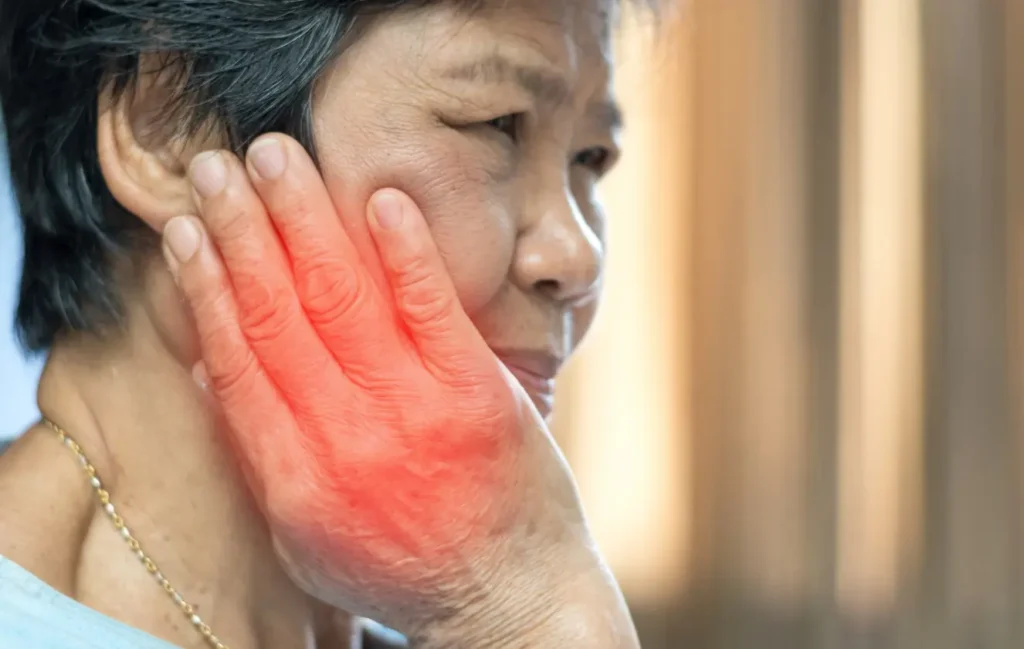
TMJ symptoms include jaw pain, difficulty chewing, clicking or popping sounds, headaches, and stiffness affecting normal jaw movement.

Jaw Pain
Discomfort or tenderness in the jaw joint or surrounding muscles.

Limited Movement
Difficulty opening, closing, or chewing comfortably.

Clicking Sounds
Popping or grinding noises during jaw movement.
What is The Role of Physiotherapy in Treating TMJ?
Physiotherapy reduces TMJ pain, improves jaw mobility, relaxes tense muscles, and restores proper function through targeted exercises, manual therapy, posture correction, and personalized rehabilitation programs.
What are The Causes of TMJ Dysfunction?
TMJ dysfunction can be caused by jaw injury, teeth grinding, poor posture, arthritis, or stress leading to muscle tension.

Jaw Injury
Sudden Foot Twist While Moving

Teeth Grinding
Clenching or bruxism causing joint strain.

Poor Posture
Neck and Shoulder Issues Affecting Jaw
FAQs
What is TMJ dysfunction?
Is BioFlex Laser Therapy safe?
Can physiotherapy treat TMJ pain?
Yes. Physiotherapy reduces jaw pain, improves joint mobility, and relaxes tight muscles through manual therapy, targeted exercises, and personalised rehabilitation programs.