


Specialized Concussion Care for Safe Recovery and Return
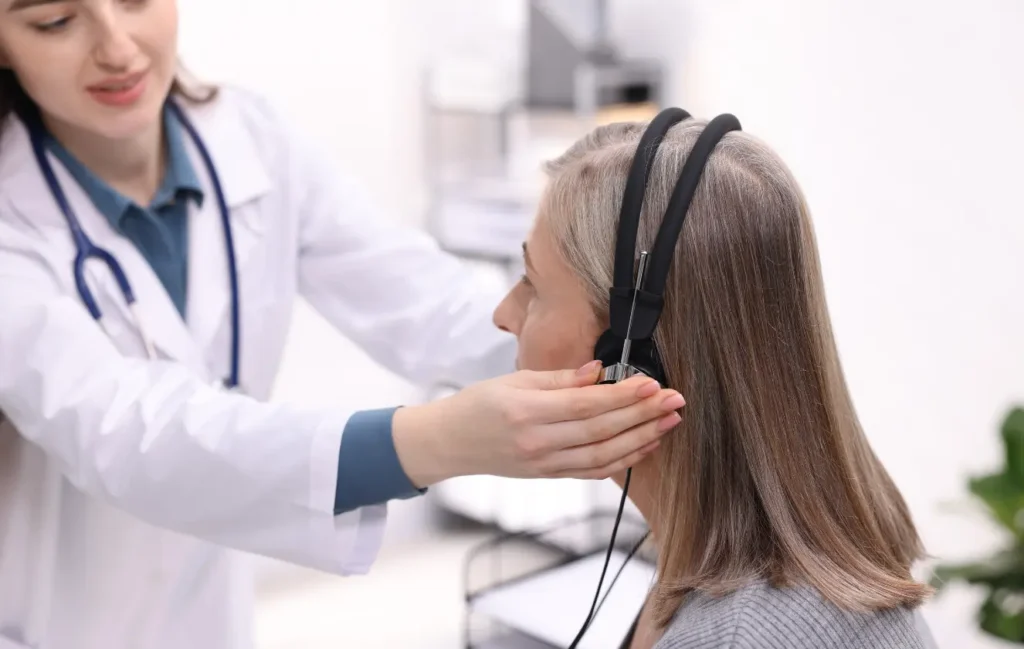
Our concussion care program focuses on safe assessment, symptom management, and guided recovery to help you return confidently to daily activities and sports.
- Symptom Management
- Safe Recovery
- Return Readiness
- 4.9/5 Google Reviews
- Licensed Physiotherapists
- Direct Insurance Billing
What is a Concussion?
A concussion is a type of brain injury that happens when the head gets a sudden hit, bump, or jolt. This causes the brain to move quickly inside the skull, which can affect how it works for a short time.
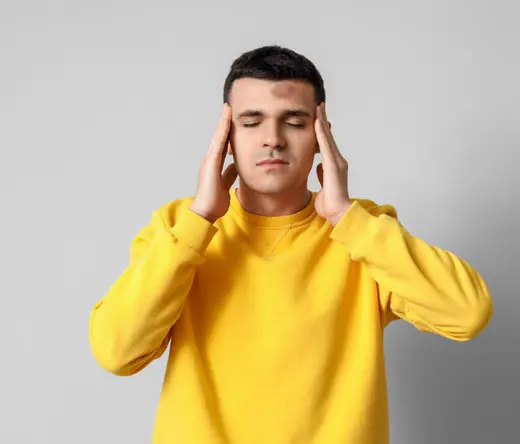
Even a mild concussion can lead to symptoms like headache, dizziness, confusion, nausea, or trouble focusing. Some people may also feel tired, sensitive to light or noise, or have memory problems.
It’s important to understand that a concussion is not always visible, and symptoms may appear right away or after a few hours. Proper care and rest are essential for safe recovery.
Even a mild concussion can lead to symptoms like headache, dizziness, confusion, nausea, or trouble focusing. Some people may also feel tired, sensitive to light or noise, or have memory problems.
It’s important to understand that a concussion is not always visible, and symptoms may appear right away or after a few hours. Proper care and rest are essential for safe recovery.
Risks of Ignoring a Concussion
- Ongoing headaches and dizziness
- Difficulty in focusing and memory problems
- Mood changes like irritability or anxiety
- Sleep disturbances and fatigue
- Increased risk of another, more serious injury
- Longer recovery time if not treated early
- Possible long-term brain health issues
Ignoring a concussion can make recovery slower and more complicated, so timely treatment is very important.
What are the Symptoms of Concussion?
Concussion symptoms include headaches, dizziness, confusion, nausea, sensitivity to light, balance problems, and difficulty concentrating or remembering information.

Physical Symptoms
Headache, dizziness, nausea, balance issues, blurred vision.

Cognitive Symptoms
Confusion, memory problems, difficulty focusing, slowed thinking.

Emotional Symptoms
Irritability, mood changes, anxiety, sleep disturbances.
The Benefits of Physiotherapy
Physiotherapy improves movement, reduces pain, restores strength, prevents injuries, and supports long-term recovery through personalized, evidence-based treatment programs.
01
Pain Reduction
Relieves acute and chronic pain through targeted therapy and corrective exercises.
02
Improved Mobility
Techniques like manual therapy, ice, laser, and gentle movements reduce pain, inflammation, and swelling.
03
Faster Recovery
Accelerates healing, prevents re-injury, and supports safe return to daily activities.
04
Strength Enhancement
Builds muscle strength and stability to support joints, improve posture, and maintain long-term physical function.
What Are The Causes of Concussion?
Concussions are usually caused by a sudden blow to the head or a strong impact that makes the brain move rapidly inside the skull. Sports injuries, falls, accidents, or sudden jolts can all lead to a concussion.

Head Impact or Blow
Head hits suddenly during sports, accidents, or physical activities.

Sports & Physical Activities
High-impact movements or sudden collisions increase the risk.

Falls & Accidental Injuries
Slipping, falling, or unexpected impacts can lead to concussion.

What Does a Concussion Look Like?
A concussion may appear as confusion, disorientation, headache, dizziness, slow responses, balance issues, or changes in behavior following a head injury.
- Headache Pain
- Dizziness Feeling
- Balance Issues
- Blurred Vision
- Memory Problems
- Behavior Changes
FAQs
How do I know if I have a concussion?
Common signs include headache, dizziness, confusion, nausea, and trouble concentrating. If you notice these symptoms after a head injury, you may have a concussion.
How long does it take to recover from a concussion?
Most people recover within 1 to 3 weeks, but recovery time can vary depending on the severity and proper care.
Can I sleep after a concussion?
Yes, rest is important after a concussion. However, it’s best to get medical advice to ensure there are no serious complications.
When should I see a doctor for a concussion
You should see a doctor if symptoms worsen, last longer than a few days, or include severe headache, vomiting, or confusion.
Can physiotherapy help with concussion recovery?
Yes, physiotherapy can help improve balance, reduce dizziness, and support a faster and safer recovery.
Comprehensive Concussion Care for Safe, Complete Recovery
Our concussion care provides thorough assessment, symptom management, and guided rehabilitation to support safe healing and confident return to daily activities.